Make Operations Predictive

Keeping today running is delaying the operations you'll need tomorrow.

Leadership wants predictive operations and real-time visibility. Operations teams are still juggling deviations, manual workarounds, and data they don’t fully trust. That means automation and analytics risk amplifying the noise instead of improving performance.

Operationally contextualized

Data designed to reflect how your operations actually run

FROM

Days consumed with reactive troubleshooting, deviation management, and manual data reconciliation

TO

Operations powered by reliable, contextual data that anticipates issues before they disrupt production

FROM

AI and analytics layered onto inaccurate, incomplete, or inconsistent data produce limited, non-scalable gains

TO

A reliable data foundation with structured processes, contextualized data, and aligned systems, lets AI and analytics scale and compound into measurable performance gains

FROM

Data lakes that became data swamps with teams building shadow spreadsheets because they don’t trust the system of record

TO

Trusted, operationally contextualized data flowing from process to historian to analytics platform with integrity intact at every handoff

Outcomes-focused

Operations that help teams anticipate issues, not absorb downtime.

Stellix takes responsibility for building the operational and data prerequisites that make predictive capabilities reliable — including process structuring, data contextualization, cross-system data integrity, and analytics architecture grounded in how operations actually run.

Connect with Our Team

What success looks like

  • Reduce time-to-batch-release by eliminating the manual data reconciliation and investigation cycles that extend release timelines from days to weeks
  • Decrease deviation events by identifying process drift and equipment anomalies before they trigger quality excursions
  • Recover staff capacity currently consumed by reactive troubleshooting — redirecting it toward optimization, continuous improvement, and new product introduction
  • Accelerate time-to-value for AI and analytics investments by building the structured data foundation they require to produce reliable outputs
  • Improve throughput and yield by acting on process intelligence signals before they become production losses

How it’s measured

  • Time-to-batch-release (days reduced from current baseline)
  • Deviation rate and investigation cycle time attributable to data quality, process drift, or late detection
  • Staff hours redirected from reactive troubleshooting to optimization and continuous improvement activities
  • Percentage of critical decisions supported by trusted, in-context analytics
How Stellix Addresses This Challenge

How we help your operations shift from reaction to anticipation

Stellix solution

Most organizations are told to “lean into AI” — but the foundation isn’t there.

  • Incomplete or inconsistent data
  • Processes that are undocumented or don’t reflect real operations
  • Platforms that lack trust, pushing teams back to spreadsheets

Instead of moving forward, teams get stuck managing deviations, workarounds, and day-to-day firefighting.

Controlled adaptability — operations that stay steady under pressure.

AI ambitions stall when operational foundations aren't ready

Fix the data foundation

  • Diagnose data integrity from process through historian, UNS, and platform
  • Identify gaps in accuracy, completeness, and consistency
  • Add context so analytics tools receive meaningful, usable inputs

Structure processes for predictability

  • Align documented processes with how operations actually run
  • Eliminate reliance on tribal knowledge and workarounds
  • Design execution to generate structured, predictive-ready data

Build analytics for real decisions

  • Design architecture from data platform to decision support
  • Focus on what operators and leaders need to act on
  • Connect predictive signals directly to operational decisions

Apply operational foresight

  • Leverage patterns from 80+ real-world implementations
  • Anticipate where data and analytics strategies and deployments fail
  • Design to prevent breakdowns — not react to them
Energy sector engineer monitoring facility performance
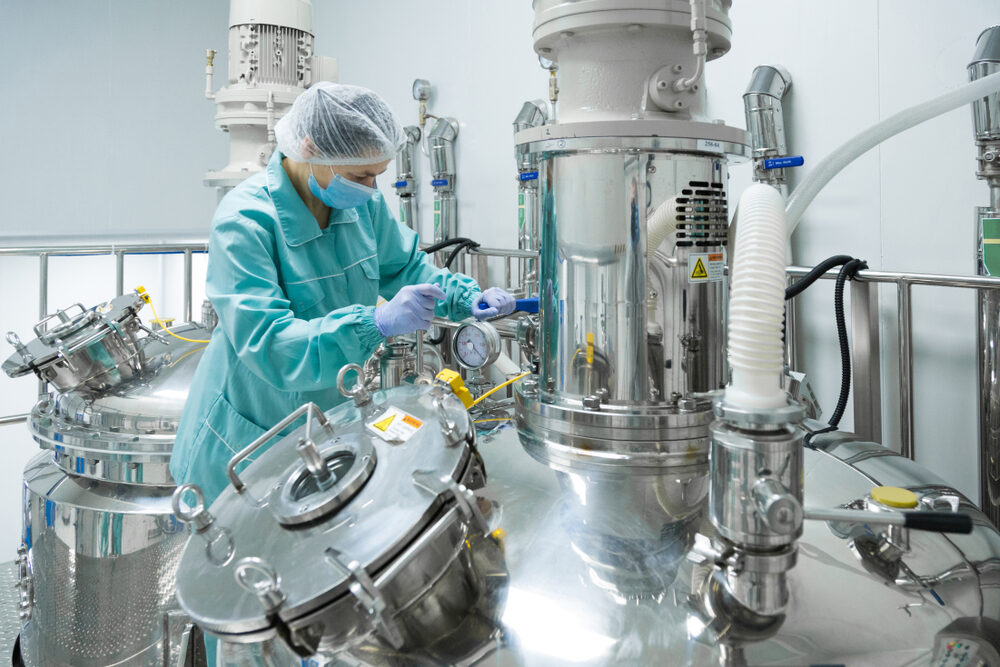
Biopharma manufacturing automation
Outcomes in a Real-World Setting

Predictive operations start with operational foundations

A regulated manufacturing organization was experiencing batch release timelines of 60–90 days — driven by accumulated technical debt: fragmented data, manual reconciliation cycles, and investigation processes that required staff to chase information across disconnected systems.

Structural Move

Stellix diagnosed the root causes as operational and data-structural, not analytical. The engagement focused on restructuring the data integrity chain, aligning process documentation to actual execution, and eliminating the manual reconciliation steps that extended every batch release cycle. The goal was to build the operational foundation that would make downstream analytics and predictive capabilities reliable — rather than layering analytics onto a broken data environment.

Result

Batch release timelines were targeted for significant reduction by addressing the data and process gaps upstream of the analytics layer — demonstrating that predictive operations begin with operational foundations, not analytics tools.

Stellix employees reviewing code on flatscreen
Getting Started

A concrete first step

We’ll start with an operational and data readiness assessment focused on the prerequisites for predictive capability — process structure, data integrity, and analytics architecture.

  • Diagnose the data integrity chain — where data is inaccurate, incomplete, inconsistent, or late between process execution, historian, UNS, and data platform
  • Map the gap between how processes are documented and how they’re actually executed — identifying where tribal knowledge and workarounds prevent structured, measurable operations
  • Define the analytics architecture required to produce operationally actionable insights — what to predict, what thresholds trigger intervention, and how signals connect to decisions at the point of execution

Schedule a working session to map the misalignment points and define a first pilotable move.

Schedule a Working Session

Visit the Stellix Experience Center

See what predictive operations look like when the foundation is built correctly — before you invest in analytics tools.

Sign Up

Contact a Solution Architect

Schedule a focused session to diagnose your data and process readiness for predictive operations.

Contact
Predictive and Reliable operations service stage
The Bigger Picture

How this connects to other Stellix solutions

Making operations predictive is one expression of Stellix’s broader capability: helping critical industries make accountable progress under continuous change. Predictive capability depends on the operational alignment and unified digital infrastructure that precede it — and it creates the performance visibility required to sustain outcomes through accountable engagement models. Each module strengthens the others; none stands alone.

Bridging Vision and Reality

Stop reacting and start predicting, but fix the foundation first

Start with the data and process gaps. Build the operational foundation. Deploy analytics that produce actionable intelligence. Measure what changes.

Connect with Our Team Visit the Stellix Experience Center